
Sushi Miyakawa: An Unforgettable Michelin-Starred Omakase Journey in Sapporo, Hokkaido
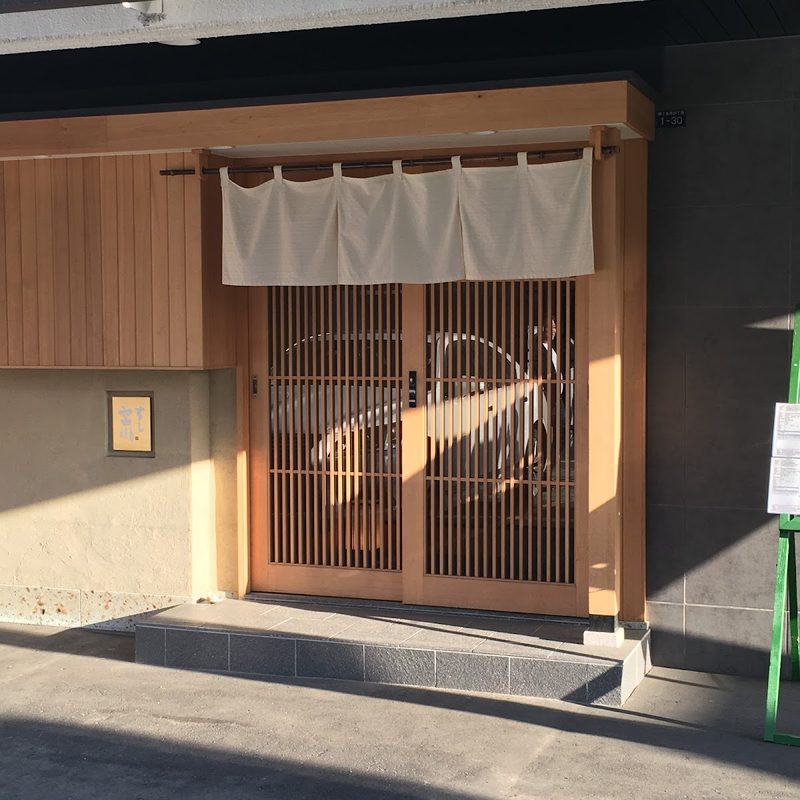
Photo: 김승환 · Google Maps
가게 주소
- 상호:영문 Sushi Miyakawa
- 상호:일문 鮨宮川
- 주소:영문 Sapporo, Hokkaido
- 주소:일문 北海道札幌市
- 상세주소:영문 Sapporo, Chuo Ward, Minami 5-Jo Nishi 2-chome, Hokkaido
- 상세주소:일문 北海道札幌市中央区南5条西2丁目
Introduction
Alright, folks, buckle up. As a long-time local travel editor, I’ve seen my fair share of incredible dining experiences across Hokkaido, but there are some places that truly redefine the very concept of a meal. Sushi Miyakawa in Sapporo is unequivocally one of them. For the discerning palate, for the intrepid food adventurer, and for anyone who understands that food isn't just sustenance but an art form, this is a pilgrimage. We’re talking about a Michelin-starred bastion of Edomae-style sushi, nestled in the heart of Sapporo, where the bounty of Hokkaido's pristine waters meets the unparalleled skill of a master artisan.
When people think of Hokkaido, their minds often drift to vast lavender fields, world-class ski slopes, or maybe a bowl of hearty miso ramen. But beneath that picturesque surface lies a culinary scene that’s as rich and diverse as the landscape itself. And at the very pinnacle of that gastronomic mountain, especially for seafood lovers, stands Sushi Miyakawa. This isn’t just a sushi restaurant; it’s an immersive, intimate performance orchestrated by Chef Miyakawa himself, a quiet maestro whose movements are as precise as his cuts, whose knowledge of fish is encyclopedic, and whose dedication to perfection is absolute. Forget your preconceived notions of what sushi can be; Miyakawa is here to elevate them to an entirely new stratosphere. This guide is your key to understanding, appreciating, and hopefully, experiencing this extraordinary culinary gem.
Main Feature Analysis
Stepping into Sushi Miyakawa, particularly at its Sapporo location, is like entering a sacred space dedicated to the pursuit of sushi perfection. This isn't just about premium ingredients; it's about a philosophy, a deep-seated respect for nature's bounty, and a relentless dedication to craftsmanship that has earned Chef Miyakawa his esteemed Michelin stars. The very air inside feels different—a hushed reverence, an anticipation that buzzes faintly beneath the surface of the serene ambiance.
The core of Miyakawa’s appeal, and indeed its very existence, revolves around the omakase experience. "Omakase" translates loosely to "I'll leave it up to you," and at Miyakawa, this isn’t just a suggestion; it’s an absolute surrender to the chef's expertise. There are no menus to pore over, no agonizing choices to make. Instead, you are placed entirely in the hands of Chef Miyakawa, who orchestrates a symphony of flavors tailored to the day's freshest catches and his own inspired vision. This is where the magic truly unfolds.
Chef Miyakawa's sourcing strategy is nothing short of legendary. While Hokkaido is renowned for its incredible seafood, particularly its delicate uni (sea urchin), succulent crab, and rich ikura (salmon roe), Miyakawa doesn't limit himself to local waters. He meticulously sources the very best from across Japan, following the seasonal peaks for each type of fish. This could mean a prized cut of hon-maguro (bluefin tuna) from Oma in Aomori, known for its unparalleled fatty marbling, or exquisite kinki (thornhead rockfish) from Hokkaido itself, expertly grilled or lightly seared. Each piece is chosen not just for its freshness, but for its unique characteristics, its fat content, its texture, and its potential to be transformed into something extraordinary. This commitment ensures that every single piece of nigiri presented to you is at its absolute prime, a fleeting moment of perfection.
The Edomae style is Miyakawa's canvas. This isn't simply raw fish on rice; it's a nuanced art form where fish is often aged, cured, or subtly enhanced to bring out its deepest flavors. You might experience kohada (gizzard shad) delicately marinated in vinegar, or akami (lean tuna) marinated in soy sauce, known as zuke. These traditional preparations not only preserve the fish but also deepen its umami, offering layers of flavor that simply cannot be achieved with unadorned fresh fish. The rice, or shari, is equally critical. Miyakawa's shari is a revelation in itself—perfectly seasoned with a balanced blend of red and white vinegars, each grain distinct yet yielding, warm to the touch, and forming a harmonious dance with the topping. The temperature, the slight firmness, the subtle acidity—these are not accidental details but the result of decades of refined technique.
Let's talk about specific examples that might grace your counter. Imagine a piece of otoro (fatty tuna), so meticulously prepared that it melts on your tongue like butter, leaving behind a rich, oceanic sweetness. Or perhaps a piece of kinmedai (splendid alfonsino), lightly seared (aburi) to release its fragrant oils, then brushed with a delicate soy glaze. The uni from Hokkaido, often served as gunkan-maki (battleship roll) or directly on the nigiri, is intensely sweet and creamy, a true taste of the sea. Miyakawa's ability to extract the very essence of each ingredient, whether it's the crisp snap of a high-quality nori (seaweed) or the nuanced heat of freshly grated wasabi, elevates each bite into a memorable experience. His knife skills are breathtaking; each cut is precise, designed to maximize texture and presentation. The way he forms the nigiri, with just a few swift, practiced motions, is a masterclass in efficiency and elegance. The fish is gently placed on the rice, a whisper of wasabi applied, and the piece is presented with quiet grace, inviting immediate consumption to capture the peak of its flavor and temperature.
The ambiance at Sushi Miyakawa is intentionally understated, allowing the focus to remain squarely on the food and the chef. The counter, often crafted from a single, magnificent piece of hinoki cypress, glows softly under the warm lighting. The minimalist decor speaks volumes, reflecting the Japanese aesthetic of wabi-sabi—finding beauty in simplicity and imperfection. It’s an intimate setting, typically seating only a handful of guests, fostering a sense of exclusivity and direct connection with the chef. There's a quiet hum of concentration, punctuated only by the soft thud of a knife, the gentle slide of fish, or the clinking of sake cups. This creates an atmosphere not of stiff formality, but of deep respect and shared appreciation for the culinary artistry unfolding before you. The silence is not awkward, but meditative, allowing you to fully immerse yourself in each flavor, each texture, each moment. This quiet grandeur and meticulous attention to every single detail, from the sourcing to the preparation to the presentation, is precisely what solidifies Sushi Miyakawa's status as a Michelin-starred establishment and a truly premium destination for sushi connoisseurs. It’s not just a meal; it’s an education, a performance, and a profound culinary journey all rolled into one.
Visitor Experience
Alright, so you’ve committed. You’ve decided to seek out the unparalleled experience that is Sushi Miyakawa in Sapporo. Trust me, it’s a decision you won’t regret. But before you even set foot inside this hallowed establishment, there's a crucial first step: the reservation. This isn't a walk-in kind of place. Securing a seat at Sushi Miyakawa requires foresight, determination, and often, a little bit of luck or strategic assistance. Reservations typically open months in advance, and they vanish almost instantly. Your best bet is to leverage your hotel concierge, especially if you're staying at a high-end property in Sapporo or elsewhere in Japan, as they often have dedicated lines or relationships. Be prepared to book at least 2-3 months out, possibly even more for peak seasons. It's a testament to Miyakawa’s reputation that people plan their entire Hokkaido itineraries around the chance to dine here.
Once that golden ticket is secured, the anticipation truly builds. On the day of your reservation, aim to arrive a few minutes early, but not too early. Punctuality is key. The restaurant, located in Sapporo, Chuo Ward, Minami 5-Jo Nishi 2-chome, has a discreet entrance that might easily be missed if you’re not looking for it. Once inside, you’ll be greeted with a quiet efficiency that sets the tone for the entire evening. The staff are impeccably polite and move with a serene grace, ensuring your transition into the dining area is seamless. You'll be led to one of the coveted seats at the counter, a stunning piece of polished cypress wood that gleams under the subtle lighting.
The moment you sit down, the performance begins. Chef Miyakawa, or one of his highly skilled apprentices under his watchful eye, will be there, ready. There's a subtle exchange of greetings, a warm towel is offered, and a cup of delicate green tea appears. The atmosphere is one of focused anticipation. The chef doesn’t just serve food; he guides you through a sensory journey. He begins with a few tsumami (appetizers), which are often small, exquisite dishes designed to tantalize the palate and showcase seasonal ingredients. This could be anything from delicately steamed abalone to a meticulously prepared piece of grilled fish, each presented with artistic precision. These initial courses are a warm-up, a gentle introduction to the culinary prowess you're about to experience.
Then comes the nigiri. Oh, the nigiri. Each piece is crafted individually, specifically for you, right before your eyes. The chef’s movements are fluid, almost meditative. He picks up a portion of shari, expertly presses it, then drapes a glistening slice of fish over it, a whisper of wasabi in between. It’s a dance of hands, a ballet of precision. He’ll place it directly on the cypress counter in front of you, signaling that it’s ready to be savored immediately. Don't wait. Don't take a photo for too long. This sushi is designed to be eaten at its perfect temperature, its perfect balance.
You'll encounter a parade of textures and flavors. A firm tai (sea bream) with a hint of yuzu, followed by the rich, fatty decadence of chu-toro (medium fatty tuna), then perhaps a tender botan ebi (spot prawn) with its inherent sweetness. Each piece is a revelation. The chef pays attention to the subtle cues from his diners – whether they prefer more wasabi, or a slightly different texture, though typically, his omakase is a meticulously planned sequence. While direct conversation with the chef might be limited if you don't speak Japanese, his presence is powerful, and his dedication is palpable. A simple "Oishii!" (delicious!) or a nod of appreciation goes a long way.
The pacing of the meal is deliberate, never rushed, allowing you to fully appreciate each individual piece. Midway through, you might be offered a small, cleansing bowl of miso soup. Towards the end, often after a crescendo of richer, more luxurious cuts, a piece of tamago (sweet egg omelet) might signal the nearing conclusion, its cake-like texture and subtle sweetness a perfect finale.
Leaving Sushi Miyakawa, you don't just feel full; you feel enriched, enlightened even. It's an experience that transcends the simple act of eating, leaving an indelible mark on your culinary memory. The taste, the artistry, the serene atmosphere—it all coalesces into an extraordinary journey that confirms Miyakawa's status as a beacon of premium, Michelin-starred sushi.
Practical Information
Visiting a restaurant of Sushi Miyakawa’s caliber requires a bit of preparation beyond just making a reservation. Here’s what you need to know to ensure a smooth and unforgettable experience in Sapporo.
Access and Location: Sushi Miyakawa is conveniently located in Sapporo's bustling Chuo Ward. The precise address is Sapporo, Chuo Ward, Minami 5-Jo Nishi 2-chome, Hokkaido. This places it firmly within the Susukino area, known for its vibrant nightlife and dining scene, yet Miyakawa itself offers a tranquil escape from the energy outside.
-
From Sapporo Station: The easiest way to reach Miyakawa from Sapporo Station is via subway. Take the Namboku Line (green line) south towards Makomanai and alight at Susukino Station (N08). The restaurant is an approximate 5-7 minute walk from Susukino Station.
-
From Odori Station: If you’re around Odori Park, you can also take the Namboku Line from Odori Station (N07) one stop south to Susukino, or enjoy a pleasant 10-15 minute walk through the charming streets of Sapporo.
-
By Taxi: A taxi from Sapporo Station will take about 5-10 minutes, depending on traffic, and is a convenient option if you prefer door-to-door service, especially in colder months. Just show the driver the full Japanese address: 北海道札幌市中央区南5条西2丁目.
Operating Hours: As a high-end omakase establishment, Sushi Miyakawa doesn't typically operate with flexible "opening hours" in the traditional sense. Instead, they have fixed seating times for lunch (if offered, which can be rare for such premium sushi) and dinner. Dinner typically has one or two sittings, for example, starting around 6:00 PM and another around 8:30 PM. These times are strictly adhered to. Always confirm your specific reservation time when booking. They are generally closed on Sundays and some national holidays, but this can vary seasonally, so it’s always best to check their official channels or confirm via your concierge.
Price Point: Let’s be clear: dining at Sushi Miyakawa is a premium experience commensurate with its Michelin-starred status. This is not a budget option, nor is it moderately priced. Expect to pay a significant amount for your omakase journey. For a dinner omakase course, you should anticipate prices easily starting from ¥30,000 to ¥50,000 per person, before drinks. With sake pairings or other beverages, the total bill can climb higher. Consider this an investment in an unparalleled culinary art form.
Reservation Tips (Reiterated):
-
Book Well in Advance: I cannot stress this enough. At least 2-3 months out, often more.
-
Hotel Concierge is Your Best Friend: Especially for foreign visitors, concierge services at upscale hotels are often the most reliable way to secure a booking, as they can navigate the Japanese booking system and have direct lines of communication.
-
Be Flexible: If your dates are flexible, you might have a better chance of finding an open slot.
-
Be Prepared for a Deposit: Some high-end restaurants require a deposit to secure your reservation.
Dining Etiquette:
-
Dress Code: While not explicitly formal, smart casual is the minimum expectation. Avoid overly casual attire like shorts, t-shirts, or sandals. Think respectful and refined.
-
Punctuality: Arrive on time for your reservation. Being late can disrupt the entire flow of the omakase experience for everyone.
-
Photography: Ask permission before taking photos, especially of the chef or other diners. Generally, quick photos of your own dishes are acceptable, but avoid flash and prolonged shooting. Remember, this is an immersive experience, not a photo shoot.
-
Fragrances: Refrain from wearing strong perfumes or colognes. This can interfere with your own and other diners' ability to fully appreciate the delicate aromas and flavors of the sushi.
-
Appreciation: A quiet "Oishii" (delicious) or a slight bow is a wonderful way to show your appreciation to the chef.
-
Chopsticks: Use chopsticks for nigiri, though it is perfectly acceptable and often encouraged to eat nigiri with your fingers. Never rub your chopsticks together.
-
Soy Sauce: Do not dunk your nigiri rice-first into the soy sauce. The chef has already perfectly seasoned each piece. If soy sauce is provided, gently dip only the fish part.
-
Eating Order: Eat the nigiri immediately after it's placed in front of you. It's at its peak flavor and temperature.
Language: Chef Miyakawa’s primary language is Japanese. While some staff may have basic English, communication about the specific fish and preparations might be limited. Embrace this as part of the authentic experience. A phrasebook, a translation app, or your concierge's notes about your dietary restrictions (communicated in advance) will be helpful. The beauty of the omakase is that the food itself often transcends language barriers.
Store Address and Access Plan
Let’s ensure you know exactly how to find this culinary jewel. Sushi Miyakawa is tucked away but easily accessible within Sapporo's vibrant urban core.
The full address is: Sushi Miyakawa (鮨宮川) Sapporo, Chuo Ward, Minami 5-Jo Nishi 2-chome, Hokkaido, Japan (Japanese: 北海道札幌市中央区南5条西2丁目)
Detailed Access:
-
By Subway (Recommended):
- From Sapporo Station (さっぽろ駅, N06): Take the Namboku Line (green line) southbound towards Makomanai (真駒内). Ride for 2 stops to Susukino Station (すすきの駅, N08). The journey takes approximately 3-4 minutes.
- From Odori Station (大通駅, N07): Take the Namboku Line southbound for 1 stop to Susukino Station (すすきの駅, N08). This is a very quick 1-2 minute ride.
- From Susukino Station (N08): Use Exit 4 or 5 for the quickest access. Once above ground, head east (towards the Susukino crossroads, away from the large department stores). Walk along Minami 5-Jo street towards Nishi 2-chome. The restaurant will be on your left or right, depending on the exact block. It's often located within a building that houses several establishments, so look for its discreet signage. The walk from the station exit should be about 5-7 minutes.
-
By Tram:
- The Sapporo Streetcar (tram) also runs through Susukino. You can alight at the Susukino Stop (すすきの停留場). From there, it's a very short walk to Minami 5-Jo Nishi 2-chome.
-
By Taxi:
- A taxi is a convenient option, especially if you have an exact time slot to meet. Simply provide the driver with the Japanese address: 北海道札幌市中央区南5条西2丁目. From Sapporo Station, a taxi ride typically takes 5-10 minutes, depending on traffic conditions.
Remember, the restaurant entrance might be understated. Keep an eye out for the name "鮨宮川" or "Sushi Miyakawa" to ensure you’ve found the correct, exclusive establishment. Allow yourself a little extra time to locate it the first time, especially if you're not familiar with Sapporo's numbering system.
Conclusion
Sushi Miyakawa isn't just a meal; it's a testament to the enduring power of tradition, precision, and passion in the culinary world. Nestled in the dynamic city of Sapporo, Hokkaido, it offers an omakase experience that transcends expectations, transforming the freshest ingredients into exquisite works of art. From the moment you secure that coveted reservation, to the quiet anticipation as Chef Miyakawa meticulously crafts each piece of nigiri before your eyes, and finally, to the lingering memory of unparalleled flavors, every aspect of dining here is thoughtfully orchestrated.
This is where the bounty of Hokkaido's seas, combined with the mastery of Edomae techniques, achieves its zenith. It's a premium, Michelin-starred journey that demands respect, patience, and an open mind, but rewards you with a truly unforgettable gastronomic adventure. If you're a serious aficionado of Japanese cuisine, a seeker of once-in-a-lifetime dining experiences, or simply someone who believes in the magic that can happen when human skill meets nature's finest, then a visit to Sushi Miyakawa in Sapporo, Chuo Ward, Minami 5-Jo Nishi 2-chome, is an absolute imperative. It’s an investment not just in a meal, but in a memory that will resonate long after the final piece of sushi has been savored. Go forth, plan meticulously, and prepare to be enchanted.